

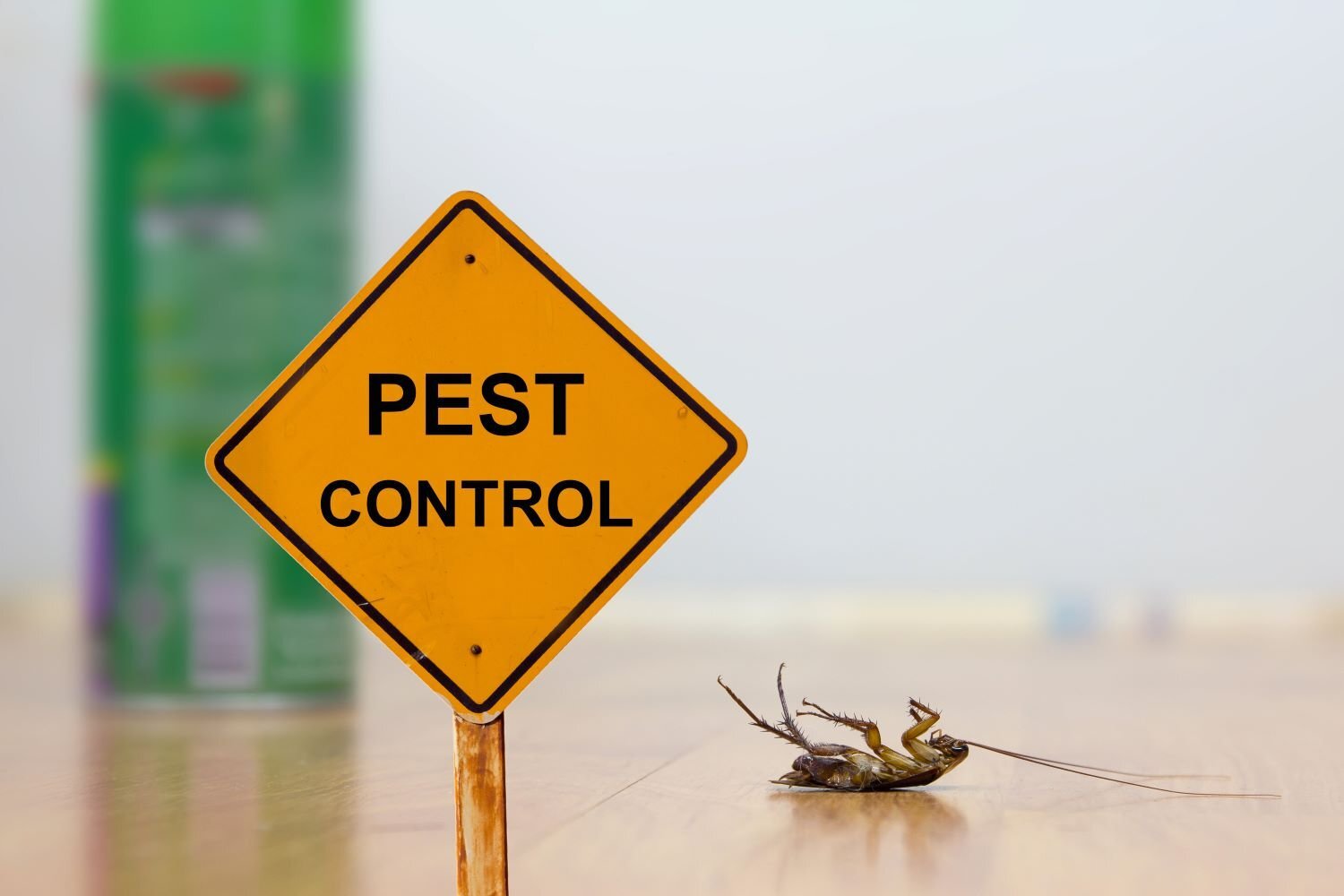
Pests are more than just a nuisance. They can cause significant damage to property, contaminate food, and even pose serious health risks. From ants marching across your kitchen counter to termites silently eating away at your home’s foundation, pests can create havoc if left unchecked. This is where pest control comes in—a vital practice for maintaining a safe, healthy, and comfortable environment. In this comprehensive guide, we’ll explore everything you need to know about pest control, including common pests, prevention strategies, treatments, and professional services.
Understanding Pest Control
Pest control refers to the management and regulation of species considered harmful to humans, animals, and property. The goal is to eliminate or reduce the population of pests and prevent further infestations. Effective pest control combines prevention, monitoring, and eradication techniques to ensure long-term protection.
Pests can be classified into several categories, including:
-
Insects: Ants, cockroaches, termites, mosquitoes, flies, and bedbugs
-
Rodents: Rats and mice
-
Wildlife intruders: Raccoons, squirrels, and birds
-
Others: Spiders, fleas, and ticks
Each type of pest requires different approaches for management. While some pests are merely a nuisance, others can carry diseases, destroy property, or even threaten lives. For example, mosquitoes are vectors for diseases like malaria and dengue, while termites can compromise the structural integrity of buildings.
Common Types of Pests and Their Risks
Understanding the pests common in your area is the first step toward effective pest control. Here’s a closer look at some of the most prevalent pests:
1. Ants
Ants are social insects that live in colonies. While some species are harmless, others can damage structures and contaminate food. Carpenter ants, in particular, burrow into wood, weakening beams and supports.
Control measures:
-
Keep food stored in airtight containers
-
Seal cracks and entry points
-
Use bait traps and professional insecticides for severe infestations
2. Cockroaches
Cockroaches are resilient pests that can survive in almost any environment. They are known to spread bacteria, trigger allergies, and contaminate food.
Control measures:
-
Maintain cleanliness in kitchens and bathrooms
-
Eliminate standing water and moisture
-
Apply cockroach baits or gels
-
Call professional pest control for recurring infestations
3. Termites
Termites are often called “silent destroyers” because they consume wood from the inside out, leaving visible damage only when it’s severe. They are a serious threat to homes and furniture.
Control measures:
-
Conduct regular inspections of wooden structures
-
Use termite-resistant materials
-
Apply liquid termiticides or termite baits
-
Hire professionals for termite treatment
4. Rodents
Rats and mice are notorious for spreading diseases, chewing through wires, and contaminating food supplies. They reproduce rapidly, making infestations difficult to control without effective strategies.
Control measures:
-
Seal entry points like holes and gaps
-
Keep food in secure containers
-
Use traps or rodenticides responsibly
-
Employ professional rodent control services
5. Bedbugs
Bedbugs are small, nocturnal insects that feed on human blood. They cause itching, rashes, and sleep disruption. Bedbug infestations can spread quickly through furniture, luggage, and clothing.
Control measures:
-
Wash and dry bedding at high temperatures
-
Vacuum mattresses and surrounding areas
-
Use bedbug sprays or heat treatments
-
Seek professional help for severe infestations
Importance of Pest Control
Proper pest control is essential for several reasons:
1. Health Protection
Many pests carry pathogens that cause diseases in humans and pets. For instance:
-
Mosquitoes transmit malaria, dengue, and Zika virus
-
Rodents carry leptospirosis, hantavirus, and salmonella
-
Cockroaches trigger asthma and allergies
Eliminating pests reduces the risk of illness and promotes overall well-being.
2. Property Protection
Pests like termites, carpenter ants, and rodents can damage the structural integrity of homes and buildings. Furniture, electrical wiring, and insulation are particularly vulnerable. Effective pest control preserves property value and prevents costly repairs.
3. Food Safety
Pests contaminate food and food preparation areas, making proper pest control riverview crucial in homes, restaurants, and food storage facilities. Contaminated food can lead to serious illnesses and legal consequences in commercial settings.
4. Peace of Mind
Living or working in a pest-free environment reduces stress and improves quality of life. No one wants to deal with buzzing mosquitoes, crawling ants, or nocturnal rodents invading their space.
Preventive Pest Control Strategies
Prevention is always better than cure when it comes to pest control. Here are practical steps to reduce the risk of infestations:
1. Maintain Cleanliness
Regular cleaning is the simplest yet most effective preventive measure:
-
Wipe countertops and sweep floors
-
Dispose of garbage properly and promptly
-
Wash dishes immediately after use
2. Cockroaches
0
Pests like cockroaches, termites, and mosquitoes thrive in damp environments. Fix leaking pipes, improve drainage, and use dehumidifiers in humid areas.
2. Cockroaches
1
Inspect your home for cracks, gaps, or holes in walls, windows, and doors. Use caulking or weatherstripping to seal these potential entry points.
2. Cockroaches
2
Store food in sealed containers and avoid leaving pet food out overnight. This reduces attraction for ants, rodents, and cockroaches.
2. Cockroaches
3
Routine inspections help detect infestations early, making treatment easier and more effective. Pay attention to common hiding places like attics, basements, and crawl spaces.
Pest Control Treatments
Depending on the type of pest and severity of the infestation, different treatments are available:
2. Cockroaches
4
Pesticides, insecticides, and rodenticides are commonly used to eliminate pests. These chemicals are highly effective but must be used responsibly to avoid health risks to humans and pets.
2. Cockroaches
5
Biological control uses natural predators to manage pest populations. For example, introducing ladybugs to control aphids or using nematodes to target soil pests. This method is eco-friendly and reduces chemical use.
2. Cockroaches
6
Physical methods include traps, barriers, and manual removal of pests. Sticky traps, ultrasonic repellents, and rodent snap traps are examples of this approach.
2. Cockroaches
7
IPM combines multiple pest control methods to minimize risks to health, property, and the environment. It focuses on prevention, monitoring, and targeted treatment rather than blanket chemical use.
Hiring Professional Pest Control Services
While DIY pest control is effective for minor issues, professional services are essential for severe or recurring infestations. Benefits of hiring experts include:
-
Expert knowledge: Professionals can identify pest species and their behavior
-
Advanced treatments: Access to specialized tools, chemicals, and techniques
-
Long-term solutions: Strategies to prevent future infestations
-
Safety: Proper handling of chemicals reduces risks to humans, pets, and the environment
When choosing a pest control company, consider their experience, certifications, customer reviews, and guarantee policies.
Eco-Friendly Pest Control Options
For those concerned about environmental impact, eco-friendly pest control methods are gaining popularity. These include:
-
Organic pesticides: Made from natural ingredients like neem oil or pyrethrin
-
Essential oils: Peppermint, eucalyptus, and citronella oils repel insects
-
Biological solutions: Using predators or beneficial insects to control pests
-
Habitat modification: Removing food sources and standing water
Eco-friendly methods reduce chemical exposure while effectively managing pest populations.
Seasonal Pest Control
Pest activity often changes with the seasons:
-
Spring and Summer: Increased activity of mosquitoes, flies, ants, and termites
-
Fall: Rodents seek shelter indoors
-
Winter: Cockroaches and spiders move indoors for warmth
Understanding seasonal trends helps in planning preventive pest control measures throughout the year.
Conclusion
Effective pest control is crucial for maintaining a healthy, safe, and comfortable living or working environment. By understanding common pests, implementing preventive measures, and using appropriate treatments, you can protect your home, property, and health from the damage and risks associated with infestations. Whether through DIY methods or professional services, proactive pest management ensures peace of mind and long-term safety.
Remember, pests are persistent, but with the right knowledge and strategies, they can be controlled. Start with prevention, stay vigilant with inspections, and act quickly at the first signs of infestation. Your home, family, and property deserve nothing less than a pest-free environment.