

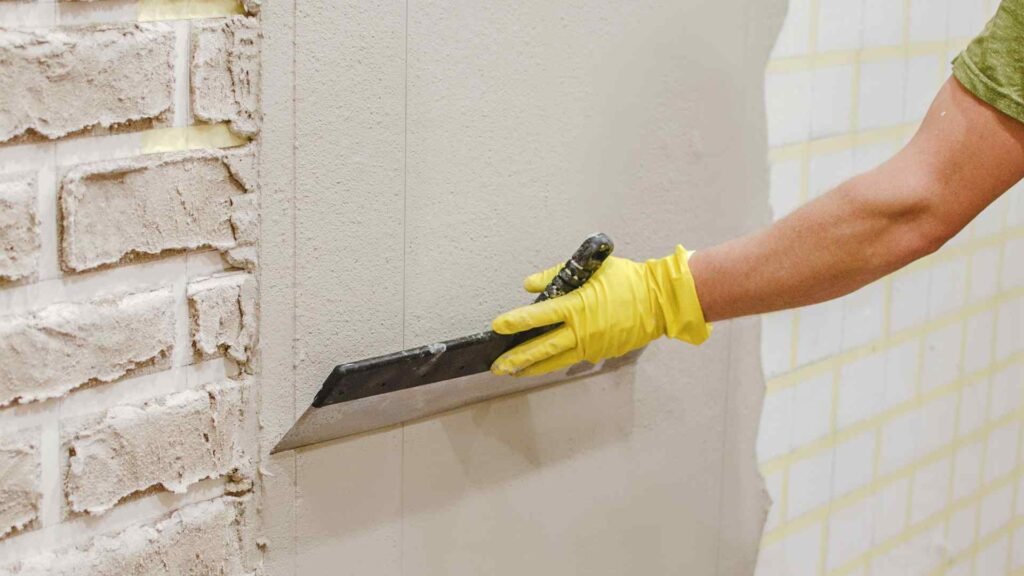
In the world of construction, there’s one trade that often works quietly in the background but has a massive impact on how a space looks and feels: plastering. While architects design and builders construct, it’s the plasterers who give the final touch—transforming rough, raw walls into smooth canvases ready for paint, texture, or decoration.
Plasterers don’t always get the credit they deserve, but without their craftsmanship, no room would ever feel truly finished. Let’s take a deeper look at the vital role plasterers play in construction—and why their work is more art than many realize.
The Unsung Artists of Construction
To the untrained eye, plastering might seem like just slapping mud on the wall. But in reality, plasterers are detail-oriented artists. Their job bridges structure and style. They bring finesse, precision, and finish to what would otherwise be uneven and unattractive surfaces.
From brand-new builds to home renovations and heritage restorations, plasterers deal with a range of surfaces and materials. One day they might be applying a skim coat over new plasterboard in a modern apartment; the next, they could be carefully restoring 19th-century lime plaster in a historic building.
What Exactly Does a Plasterer Do?
At its core, plastering involves applying a smooth, protective layer over walls and ceilings. But there’s far more to it than that.
A skilled plasterer:
-
Prepares surfaces, ensuring they’re clean, level, and properly bonded
-
Mixes plaster materials to the correct consistency for the job
-
Applies plastering melbourne coats with precision, from rough base coats to silky final finishes
-
Repairs and restores old or damaged plasterwork
-
Creates decorative finishes, such as cornices, moldings, and textured effects
They work with a wide range of materials, including gypsum, lime, cement, and even clay-based plasters, depending on the age of the building and the environment.
Why Plastering Matters
Plastering isn’t just about aesthetics—it serves a vital structural purpose. A professionally plastered wall is more:
-
Durable and resistant to daily wear and tear
-
Energy-efficient, helping regulate heat and moisture
-
Fire-resistant, especially when using gypsum-based products
-
Paint-ready, giving your walls that flawless foundation for color or design
A poorly plastered surface will show through even the best paint job. Cracks, bumps, and uneven textures don’t just look bad—they affect the longevity and comfort of your space.
The Tools Behind the Magic
Plasterers may not carry flashy equipment, but their tools are key to their craft. Some of the essentials include:
-
Trowels (various types for base and finish coats)
-
Hawks (a flat platform to hold the plaster)
-
Mixing drills and paddles for consistent texture
-
Straightedges and spirit levels to ensure flatness
-
Floats and sponges for the final smoothing and finishing touches
Despite all the gear, it’s the skilled hands and experience of the plasterer that truly make the difference.
A Day on the Job: More Than Meets the Eye
A plasterer’s day is physically demanding and mentally focused. It starts early with surface prep and mixing, followed by hours of troweling and smoothing. Timing is everything—plaster sets fast, and missing the right moment to level or polish can compromise the whole wall.
Plasterers often work in tight coordination with other trades—carpenters, electricians, painters—ensuring that every surface is prepped at the right stage of the build. They are problem-solvers too, often having to adapt to imperfect walls, moisture damage, or structural quirks on the fly.
It’s not just about finishing the job—it’s about doing it once, right, and beautifully.
From Raw to Refined: The Impact of a Skilled Plasterer
Think about the walls around you right now. Are they smooth? Even? Free from blemishes? You probably didn’t notice them—because that’s the point. A skilled plasterer makes the background beautiful without demanding attention.
From housing developments and hospitals to schools and boutique hotels, plasterers help shape environments where people live, learn, work, and relax. Their contribution brings comfort, cleanliness, and class to every square meter.
Final Thoughts: Elevating the Ordinary
Plastering may not always steal the spotlight, but its importance in construction is undeniable. It’s a trade that requires a steady hand, sharp eye, and deep understanding of materials and timing.
So next time you step into a room and admire the clean lines, smooth corners, or perfect paint finish—remember that it all started with a plasterer turning rough walls into something remarkable.
Behind every great space is a foundation of skill, patience, and craftsmanship. And more often than not, a plasterer helped get it there.