
How to Find a Trustworthy Electrician Near You
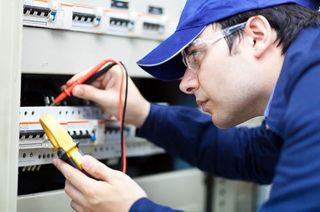
When you need electrical work done, you can't afford to take risks with an untrustworthy technician. You're looking for someone who's not only skilled but also reliable and honest. So, where do you start? You'll want to begin by doing some research online, checking out local electricians and their credentials. But that's just the beginning – you'll also need to verify their licenses, ask about their training, and get referrals from people you trust. The question is, what else should you be looking for to ensure you're hiring the right person for the job?
Qualities of a Reliable Electrician
Your search for a reliable electrician begins with identifying the qualities that set them apart from the rest.
You want someone who's not only skilled but also trustworthy, with a reputation for delivering quality work.
Look for licenses, certifications, and insurance that protect you and their workers in case of accidents.
A reliable electrician will also have a physical address, not just a PO box.
Their vehicles should be well-marked, and their technicians should wear uniforms with the company's logo.
They should be able to provide references from previous customers, and you should be able to contact these customers directly.
Be wary of extremely low bids, as they may indicate a lack of experience or a plan to cut corners.
A reliable electrician will also be willing to explain their work, including the materials they use and the procedures they follow.
They should be able to provide a detailed estimate, including the cost of labor and materials.
Researching Local Electricians Online
Frequently, your online search for a local electrician begins with a quick internet query, such as "electricians in [your city/zip code]."
This search will likely yield a multitude of results, including individual electricians, small businesses, and large companies. You'll want to pay attention to the top results, as they're often the most popular or well-established electricians in your area.
Look for reviews and ratings on sites like Yelp, Google, and Facebook. These can give you an idea of the quality of work an electrician provides.
Check their website, too, to see if it's professional, easy to use, and provides clear information about their services and expertise.
Make a list of potential electricians who seem reputable and have good reviews. You'll use this list to narrow down your search further in the next steps.
Checking Licenses and Certifications
When searching for a trustworthy electrician, verifying licenses and certifications is crucial in ensuring you're hiring a qualified professional.
You want to make sure they've the necessary skills and knowledge to complete the job safely and efficiently.
Check if the electrician has a valid license from the state licensing board.
You can visit the National Association of State Contractors Licensing Agencies website to find the licensing requirements for your state.
Additionally, look for certifications from reputable organizations like the International Association of Electrical Inspectors or the National Electrical Contractors Association.
These certifications indicate that the electricians virginia beach va has passed rigorous testing and has the necessary expertise to handle complex electrical tasks.
You can also ask the electrician about their experience and training.
Don't be afraid to ask for proof of their licenses and certifications – a trustworthy electrician will be happy to provide them.
Getting Referrals and Reviews
As you narrow down your search for a trustworthy electrician, ask around for referrals from people you trust, like friends, family, or coworkers who've had positive experiences with an electrician.
They can provide valuable insights into an electrician's work ethic, quality of work, and communication skills. Ask specific questions like: What did they do for you? Were they reliable and punctual? Did they explain the work they were doing? Would you hire them again?
You can also check online review sites like Yelp, Google Reviews, or Angie's List to see what other customers have to say about an electrician.
Pay attention to the overall rating and read the comments to get a sense of an electrician's reputation. Be cautious of fake reviews, and look for consistency in the reviews to get an accurate picture.
Evaluating Quotes and Services
Get down to business by asking potential electricians to provide a detailed quote for the job. This will give you a clear understanding of what they're offering and what you can expect.
Make sure the quote includes the scope of work, materials needed, labor costs, and any warranties or guarantees.
When evaluating the quotes, compare apples to apples. Check if the electricians are using similar materials and have similar timelines for completion.
Be wary of extremely low quotes, as they might indicate a lack of experience or a plan to cut corners.
Also, find out what kind of services they offer. Do they provide emergency services? Are they available 24/7? Do they've a dedicated customer support team?
Knowing what kind of services they offer will give you an idea of their level of professionalism and commitment to customer satisfaction.
Conclusion
You've done your research, checked licenses and certifications, and gathered referrals and reviews. Now, you're ready to make an informed decision. Compare quotes and services, and don't hesitate to ask more questions. With a reliable electrician, you can rest assured your electrical work will be done safely and efficiently.
How Much Do Electricians Charge? A Breakdown of Costs
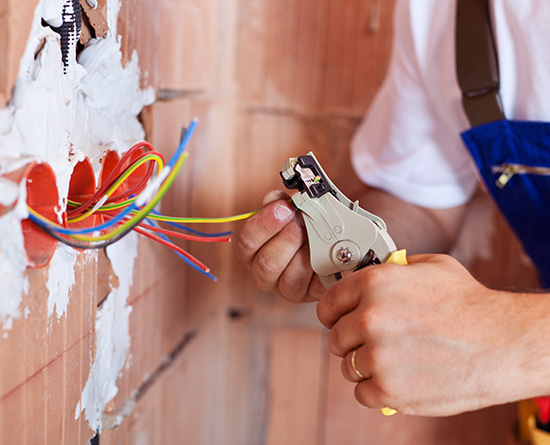
When you're faced with an electrical issue or project, one of the first questions that comes to mind is, "How much is this going to cost me?" The answer isn't always straightforward, as electrician rates can vary significantly depending on several factors. You'll want to consider the type of work, the electrician's experience, and the complexity of the job, among other things. But what can you expect to pay? Are you looking at hourly rates, flat fees, or something else? Knowing what goes into an electrician's pricing can help you prepare for the cost and make informed decisions – so let's take a closer look.
Factors Affecting Electrician Rates
When you're looking to hire an electrician, one of the most important considerations is the cost. You want to ensure you're getting a fair deal for the work you need done.
However, electrician rates can vary significantly depending on several factors.
Your location plays a significant role in determining the cost. Electricians in urban areas tend to charge more than those in rural areas due to higher living costs and demand.
The type of electrical work you need also affects the rate. Commercial electrical work, for instance, often requires more specialized skills and equipment, leading to higher costs.
Additionally, the electrician's level of experience, qualifications, and reputation can impact their rates. More experienced electricians with a strong reputation may charge higher rates due to their expertise and quality of work.
The complexity of the job and the materials required also influence the final cost. By understanding these factors, you can better negotiate with electricians and get a more accurate estimate for your project.
Hourly Rates for Residential Work
Hiring an electrician for residential work can be a daunting task, especially when it comes to understanding their hourly rates.
You're not alone if you're wondering how much you'll be charged for an electrician's time. On average, electricians charge between $50 and $150 per hour for residential work, depending on factors like location, experience, and licensure.
You'll typically pay more for an emergency or after-hours visit, with rates ranging from $100 to $250 per hour.
For routine maintenance or smaller jobs, some electricians may charge a flat fee or a minimum service charge, usually around $75 to $150. Keep in mind that these rates are only for the electrician's labor; you'll need to factor in the cost of materials, permits, and any necessary inspections.
It's essential to ask about an electrician's hourly rate and any additional fees during your initial consultation.
This will help you budget and avoid any surprise costs down the line. Remember to also inquire about their experience, qualifications, and reputation to ensure you're getting a fair rate for quality work.
Costs for Common Electrical Repairs
From faulty outlets to flickering lights, electrical issues can be frustrating and even dangerous.
When you need repairs, you'll want to know what to expect in terms of cost. The good news is that many common electrical repairs are relatively affordable.
For example, if you need to replace a faulty outlet, you can expect to pay between $75 and $150, depending on the type of outlet and the complexity of the job. Replacing a light switch typically costs between $50 and $100.
If you're experiencing flickering lights, the issue might be related to a faulty circuit breaker, which can cost between $100 and $300 to replace. Other common repairs, such as fixing a tripped GFCI outlet or replacing a faulty electrical panel, can cost anywhere from $100 to $500 or more.
Keep in mind that these are just rough estimates, and the final cost will depend on the specifics of your situation and the electrician you hire.
Additional Fees to Expect
You'll likely encounter additional fees beyond the initial repair cost, which can add up quickly.
These fees can include travel charges, especially if you live in a rural area or far from the electrician's main service location.
You may also be charged for emergency or after-hours services, which can range from $100 to $250 extra.
If the electrician needs to obtain permits or inspections, you'll typically be responsible for these costs, which can vary depending on your location and the type of work being done.
Some electricians may also charge extra for parts or materials, especially if they're high-end or specialty items.
You might be charged a disposal fee for old or hazardous materials, like fluorescent light bulbs or electrical panels containing asbestos.
Additionally, if the electrician discovers other issues while working on the initial problem, they may charge you for the additional repairs or recommend further work, which can add to the overall cost.
Be sure to ask your electrician about any potential additional fees upfront to avoid surprises on your final bill.
Estimated Costs for Major Projects
Major electrical projects, such as installing new electrical panels or rewiring an entire house, can be costly.
You'll likely need to budget a significant amount for these projects. On average, you can expect to pay between $2,000 and $5,000 to install a new electrical panel. This cost includes materials, labor, and any necessary permits.
If you need to rewire an entire house, the cost can range from $8,000 to $15,000 or more, depending on the size of the house and the complexity of the job.
Other major projects, such as installing new electrical service or running power to an outbuilding, can also be expensive.
You may need to pay $1,000 to $3,000 to install a new electricians in torrance ca service, and $1,500 to $5,000 to run power to an outbuilding. Keep in mind that these estimates are rough and can vary depending on your location, the electrician's rates, and other factors.
It's essential to get quotes from multiple electricians to get a more accurate estimate for your specific project.
Conclusion
You've got a better understanding of what goes into an electrician's pricing. Now, you're equipped to negotiate with confidence and get a more accurate estimate for your project. Remember to factor in hourly rates, travel fees, and material costs when planning your budget. With this knowledge, you'll be able to get the electrical work you need without breaking the bank.
The Future of Electrical Work Smart Homes and Modern Electricians

As you step into the world of electrical work, you’re likely to notice a significant shift towards smart homes, where technology seamlessly integrates with daily life. These intelligent living spaces require electricians who can think beyond traditional wiring and outlets. You’ll need to master a new set of skills, from computer programming to data analysis, to create efficient, sustainable, and comfortable environments. But what exactly does it take to become a modern electrician, and how can you stay ahead in this rapidly evolving industry? The answer lies in understanding the complexities of smart home technology and the emerging role of electricians.
The Rise of Smart Homes
As you step into your home, you’re immediately enveloped in a warm glow, courtesy of the smart lighting system that’s learned your daily routines.
It’s just one of the many conveniences that come with living in a smart home. Your thermostat adjusts to the perfect temperature, and your favorite music starts playing, all without you lifting a finger.
These automated systems are made possible by advanced electrical installations that can seamlessly integrate with your devices and appliances. With smart home technology, you can control everything from lighting to security to entertainment with just your voice or a few taps on your phone.
You can even monitor your energy usage in real-time, making it easier to reduce your carbon footprint. As smart homes become more prevalent, it’s clear that the future of electrical work lies in creating intelligent, efficient, and sustainable living spaces that make our lives easier and more comfortable.
Electricians of the Future
The electricians of tomorrow will need to be masters of integration, able to seamlessly connect a wide range of devices and systems to create a cohesive, efficient, and sustainable living space.
You’ll be working with homeowners to design and install systems that not only make their lives easier but also reduce their environmental footprint. This means you’ll need to stay up-to-date on the latest technologies and be able to troubleshoot complex problems.
As an electrician in riverside ca of the future, you’ll be working on projects that require creativity, critical thinking, and strong communication skills.
You’ll need to be able to explain complex technical information to homeowners in a way that’s easy for them to understand. Your attention to detail will be crucial, as you’ll be working on systems that require precise connections and configurations.
Modern Skills for Modern Homes
What sets modern homes apart from their traditional counterparts is the sheer complexity of their electrical systems.
You’ll encounter advanced technologies like smart wiring, energy harvesting, and high-voltage charging stations for electric vehicles. To work efficiently in these homes, you’ll need to develop skills that go beyond traditional electrical knowledge.
You must be familiar with computer programming and networking principles to install and configure smart home devices.
Understanding data analytics and how to interpret energy usage patterns will also become essential. Moreover, you’ll need to stay up-to-date with the latest industry standards and manufacturer-specific protocols.
As a modern electrician, you’ll be working closely with other tradespeople, like HVAC technicians and plumbers, to ensure seamless integration of various systems.
Being able to communicate complex technical information to homeowners and other stakeholders is also crucial.
Integration and Automation Challenges
Beyond the complexities of individual systems, modern homes pose a new set of challenges: integrating and automating these systems to work together seamlessly.
You’ll need to ensure that lighting, heating, security, and entertainment systems communicate with each other effectively. This requires a deep understanding of how each system functions and how they can be integrated to provide a cohesive user experience.
You’ll encounter various integration and automation challenges, such as compatibility issues between different systems and manufacturers.
You may need to troubleshoot problems that arise from incompatible protocols or conflicting system settings. Moreover, you’ll have to consider the user interface and ensure that it’s intuitive and easy to use.
As a modern electrician, you’ll need to stay up-to-date with the latest technologies and advancements in home automation.
You’ll have to be able to design and implement integrated systems that meet the unique needs of each homeowner. By overcoming these integration and automation challenges, you can create smart homes that are efficient, convenient, and comfortable.
Staying Ahead of the Curve
Advancements in technology are redefining the electrical industry at an unprecedented pace. You’re likely no stranger to the rapid evolution of smart home devices, renewable energy systems, and advanced electrical infrastructure.
As an electrician, it’s essential you stay ahead of the curve to remain competitive and provide top-notch services to your clients.
You should prioritize ongoing education and training to keep up with the latest developments.
This might involve attending workshops, seminars, and online courses to learn about new technologies, materials, and installation techniques.
Staying current with industry certifications and licenses is also crucial, as they often require continuing education credits.
Investing in your professional development won’t only enhance your skills but also increase your earning potential.
You’ll be better equipped to tackle complex projects, provide valuable insights to clients, and differentiate yourself from competitors.
Conclusion
As you step into the future of electrical work, you’ll be at the forefront of creating innovative, eco-friendly, and comfortable living spaces. With smart homes on the rise, your expertise will be in high demand. Stay adaptable, continually update your skills, and master the latest technologies to thrive in this rapidly evolving industry. By doing so, you’ll not only future-proof your career but also play a vital role in shaping the intelligent homes of tomorrow.
How Much Do Electricians Charge A Breakdown of Costs

When you’re faced with an electrical issue or project, one of the first questions that comes to mind is, “How much is this going to cost me?” The answer isn’t always straightforward, as electrician rates can vary significantly depending on several factors. You’ll want to consider the type of work, the electrician’s experience, and the complexity of the job, among other things. But what can you expect to pay? Are you looking at hourly rates, flat fees, or something else? Knowing what goes into an electrician’s pricing can help you prepare for the cost and make informed decisions – so let’s take a closer look.
Factors Affecting Electrician Rates
When you’re looking to hire an electrician, one of the most important considerations is the cost. You want to ensure you’re getting a fair deal for the work you need done.
However, electrician rates can vary significantly depending on several factors.
Your location plays a significant role in determining the cost. Electricians in urban areas tend to charge more than those in rural areas due to higher living costs and demand.
The type of electrical work you need also affects the rate. Commercial electrical work, for instance, often requires more specialized skills and equipment, leading to higher costs.
Additionally, the electrician’s level of experience, qualifications, and reputation can impact their rates. More experienced electricians with a strong reputation may charge higher rates due to their expertise and quality of work.
The complexity of the job and the materials required also influence the final cost. By understanding these factors, you can better negotiate with electricians and get a more accurate estimate for your project.
Hourly Rates for Residential Work
Hiring an electrician for residential work can be a daunting task, especially when it comes to understanding their hourly rates.
You’re not alone if you’re wondering how much you’ll be charged for an electrician’s time. On average, electricians charge between $50 and $150 per hour for residential work, depending on factors like location, experience, and licensure.
You’ll typically pay more for an emergency or after-hours visit, with rates ranging from $100 to $250 per hour.
For routine maintenance or smaller jobs, some electricians may charge a flat fee or a minimum service charge, usually around $75 to $150. Keep in mind that these rates are only for the electrician’s labor; you’ll need to factor in the cost of materials, permits, and any necessary inspections.
It’s essential to ask about an electrician’s hourly rate and any additional fees during your initial consultation.
This will help you budget and avoid any surprise costs down the line. Remember to also inquire about their experience, qualifications, and reputation to ensure you’re getting a fair rate for quality work.
Costs for Common Electrical Repairs
From faulty outlets to flickering lights, electrical issues can be frustrating and even dangerous.
When you need repairs, you’ll want to know what to expect in terms of cost. The good news is that many common electrical repairs are relatively affordable.
For example, if you need to replace a faulty outlet, you can expect to pay between $75 and $150, depending on the type of outlet and the complexity of the job. Replacing a light switch typically costs between $50 and $100.
If you’re experiencing flickering lights, the issue might be related to a faulty circuit breaker, which can cost between $100 and $300 to replace. Other common repairs, such as fixing a tripped GFCI outlet or replacing a faulty electrical panel, can cost anywhere from $100 to $500 or more.
Keep in mind that these are just rough estimates, and the final cost will depend on the specifics of your situation and the electrician you hire.
Additional Fees to Expect
You’ll likely encounter additional fees beyond the initial repair cost, which can add up quickly.
These fees can include travel charges, especially if you live in a rural area or far from the electrician’s main service location.
You may also be charged for emergency or after-hours services, which can range from $100 to $250 extra.
If the electrician needs to obtain permits or inspections, you’ll typically be responsible for these costs, which can vary depending on your location and the type of work being done.
Some electricians may also charge extra for parts or materials, especially if they’re high-end or specialty items.
You might be charged a disposal fee for old or hazardous materials, like fluorescent light bulbs or electrical panels containing asbestos.
Additionally, if the electrician discovers other issues while working on the initial problem, they may charge you for the additional repairs or recommend further work, which can add to the overall cost.
Be sure to ask your electrician about any potential additional fees upfront to avoid surprises on your final bill.
Estimated Costs for Major Projects
Major electrical projects, such as installing new electrical panels or rewiring an entire house, can be costly.
You’ll likely need to budget a significant amount for these projects. On average, you can expect to pay between $2,000 and $5,000 to install a new electrical panel. This cost includes materials, labor, and any necessary permits.
If you need to rewire an entire house, the cost can range from $8,000 to $15,000 or more, depending on the size of the house and the complexity of the job.
Other major projects, such as installing new electrical service or running power to an outbuilding, can also be expensive.
You may need to pay $1,000 to $3,000 to install a new electrical service, and $1,500 to $5,000 to run power to an outbuilding. Keep in mind that these estimates are rough and can vary depending on your location, the electrician’s rates, and other factors.
It’s essential to get quotes from multiple electricians to get a more accurate estimate for your specific project.
Conclusion
You’ve got a better understanding of what goes into an electrician’s pricing. Now, you’re equipped to negotiate with confidence and get a more accurate estimate for your project. Remember to factor in hourly rates, travel fees, and material costs when planning your budget. With this knowledge, you’ll be able to get the electrician in anaheim work you need without breaking the bank.
Choosing the Right Dog Leash Comfort Safety and Style

As you prepare for walks with your furry friend, you’re likely considering more than just a stylish leash. But with so many options available, it’s easy to get tangled up in the details. You want a leash that not only looks great but also provides comfort and safety for both you and your dog. From handle materials to leash length, there are key factors to weigh. By making informed choices, you can ensure a harmonious and enjoyable walking experience. So, what should you prioritize when selecting the perfect leash for your unique needs?
Material Matters
When it comes to choosing the right dog leash, you’re faced with a multitude of options, and the material it’s made of is a crucial consideration Dog leash.
You’ll find leashes made from nylon, leather, chain, and even cotton or rope. Each material has its pros and cons, so it’s essential to think about your dog’s needs and your personal preferences.
Nylon leashes are durable, waterproof, and easy to clean, making them perfect for active dogs who love the outdoors.
Leather leashes, on the other hand, offer a classic look and feel, but may not be as durable as nylon.
Chain leashes are great for strong pullers, as they provide extra control, but can be noisy and harsh on your hands.
Cotton or rope leashes are a good option for puppies or small breeds, as they’re gentle on their skin.
Consider your dog’s size, breed, and temperament when choosing the material, and don’t forget to think about your own comfort and grip preferences.
Leash Length Considerations
You’ve narrowed down your material options, now it’s time to think about the length of your dog leash.
This is crucial because it affects your control over your dog and their comfort level. A leash that’s too short can be uncomfortable for your dog, while one that’s too long can give them too much freedom, leading to potential safety issues.
When deciding on the length, consider your dog’s size and breed. Smaller dogs typically require shorter leashes, around 3-4 feet, to prevent them from getting tangled or caught under your feet.
Larger breeds, on the other hand, may need longer leashes, up to 6 feet, to give them enough room to move comfortably. Additionally, think about your walking style and environment. If you’re walking in crowded areas, a shorter leash may be better, while longer leashes are more suitable for open spaces or hiking.
Ultimately, the ideal leash length is one that allows you to maintain control while giving your dog enough freedom to walk comfortably by your side.
Handle With Care
Gripping your dog leash’s handle is a crucial aspect of walking your furry friend, as it directly affects your control and communication with them.
You want a handle that provides a comfortable grip, allowing you to maintain a secure hold without straining your hand or wrist. Look for leashes with handles made from materials like padded nylon, rubber, or foam, which offer a soft, non-slip grip.
These materials will reduce fatigue and discomfort, even on long walks.
You should also consider the handle’s shape and size. A contoured handle that fits comfortably in your palm will reduce strain and allow for more precise control.
Avoid leashes with small or thin handles, as they can dig into your hand or cause blisters. Additionally, some leashes feature ergonomic handles designed to reduce strain on your hand and wrist.
These designs can make a big difference on long walks or when handling strong pullers. By choosing a leash with a comfortable, ergonomic handle, you’ll be able to walk your dog with confidence and control.
Safety Features to Look
As you step out with your furry companion, safety features become paramount to ensure a pleasant and incident-free walk.
You’ll want to look for leashes with reflective materials or built-in lights to increase visibility, especially during early morning or evening strolls. A leash with a shock-absorbing system can help reduce the impact of sudden jerks or pulls, making it more comfortable for both you and your dog.
You should also consider leashes with a secure clip or carabiner that won’t break or come loose during use. Some leashes even have a built-in panic snap, which allows you to quickly release the leash in emergency situations.
Additionally, think about leashes with a traffic handle or a secondary handle, providing extra control and stability when walking in heavy traffic areas. By prioritizing these safety features, you can enjoy a worry-free walk with your dog and focus on building a stronger bond.
Style Meets Functionality
Now that you’ve got safety covered, it’s time to think about style.
You want a leash that not only keeps your dog secure but also reflects your personal taste. Luckily, many leashes nowadays combine functionality with fashion.
You can find leashes in a wide range of colors, patterns, and materials to match your dog’s coat, your personal style, or your favorite outdoor activities.
When it comes to materials, you’ve got options like nylon, leather, or rope.
Nylon leashes are durable and easy to clean, while leather leashes offer a classic, sophisticated look. Rope leashes, on the other hand, provide a more rustic, outdoorsy feel.
You can also choose from various handle styles, such as padded handles for added comfort or ergonomic handles for better grip.
Some leashes even feature decorative elements like charms, rivets, or embroidery.
Ultimately, the right leash for you’ll depend on your lifestyle, your dog’s needs, and your personal preferences.
Conclusion
You’ve considered the key factors, from material and length to safety features and style. Now, you’re ready to choose a leash that’s tailored to your dog’s needs and your grip preferences. With comfort, safety, and functionality in mind, you’ll enjoy a harmonious walking experience with your furry friend by your side. By prioritizing these essential elements, you’ll find a leash that’s not only stylish but also provides a secure and enjoyable stroll for both of you.