
Systematic Cleaning Approaches and Tank Care Efficiency
Introduction
Cleaning has become more systematic with the development of structured approaches that focus on efficiency and long-term results. Instead of re on random or repetitive methods, systematic cleaning ensures that every task is planned and executed with precision. This approach improves overall cleanliness while reducing time and effort. At the same time, tank care efficiency plays a crucial role in maintaining water quality and ensuring proper hygiene. Combining both elements creates a reliable system for maintaining clean and healthy environments.
Understanding Systematic Cleaning
Systematic cleaning is based on organization and planning. Tasks are divided into clear steps, and each area is treated according to its needs. High-use areas are cleaned more frequently, while less-used spaces are maintained through scheduled routines.
This method ensures that no area is overlooked. It also helps maintain consistency, which is essential for long-term cleanliness.
Read More: شركة تنظيف ببيشة
Improving Cleaning Efficiency
One of the main advantages of systematic cleaning is improved efficiency. By following a structured plan, cleaning tasks can be completed faster and more effectively.
This reduces unnecessary effort and ensures that cleaning is done correctly the first time. It also allows for better use of time and resources.
Tank Care Efficiency
Tank care efficiency is an important aspect of maintaining hygiene. Water tanks can accumulate sediments and impurities over time, which can affect water quality.
Efficient tank care involves regular cleaning and maintenance to remove these elements. This ensures that water remains safe and suitable for daily use.
Maintaining Hygiene Standards
Combining systematic cleaning with proper tank care helps maintain high hygiene standards. It ensures that both visible and hidden areas are properly maintained.
Read More: شركة تنظيف خزانات ببيشة
This creates a cleaner and safer environment, reducing potential risks.
Resource Optimization
Systematic cleaning approaches help optimize resources by reducing waste and improving productivity. Tasks are completed more efficiently, and materials are used more effectively.
This approach supports better management of cleaning operations and ensures consistent results.
Long-Term Benefits
The long-term benefits of systematic cleaning and efficient tank care include reduced maintenance costs, improved performance, and extended lifespan of surfaces and systems.
These advantages make systematic cleaning a practical solution for maintaining cleanliness over time.
Conclusion
Systematic cleaning approaches and tank care efficiency provide a structured and effective way to maintain cleanliness. They improve efficiency, support hygiene, and ensure consistent results.
In the long run, this approach creates a clean, safe, and well-organized environment that supports daily comfort and long-term sustainability.
Contacting us using WhatsApp: Here
Top Reasons to Visit an Orthodontist in High Point
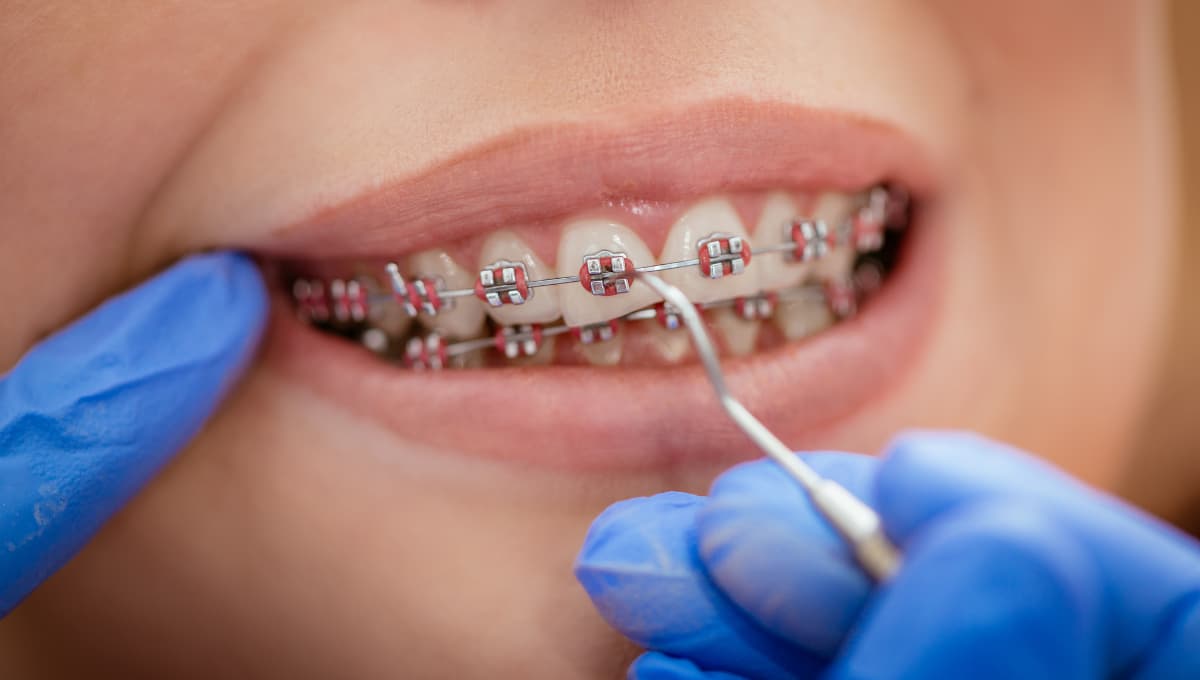
A confident smile is more than just a cosmetic feature—it’s an expression of health, self-esteem, and overall well-being. For residents of High Point, ensuring that your teeth and jaw function properly is as important as achieving aesthetic perfection. This is where an orthodontist comes into play. Orthodontists are specialized dental professionals trained to diagnose, prevent, and correct irregularities in teeth and jaw alignment. If you’ve been considering orthodontic care, understanding the key reasons to visit an orthodontist in High Point can help you make informed decisions for your dental health and long-term smile.
1. Correct Misaligned Teeth
One of the most common reasons people visit an orthodontist is to address misaligned teeth, also known as malocclusion. Misaligned teeth can occur due to genetics, early loss of baby teeth, thumb-sucking habits, or injuries. Common issues include crowded teeth, gaps, overbites, underbites, and crossbites.
Orthodontists use advanced diagnostic tools like X-rays, 3D imaging, and dental impressions to assess the alignment of your teeth and jaws. Treatments such as traditional braces, clear aligners, or other corrective appliances can gradually reposition your teeth into proper alignment, improving both function and appearance.
2. Improve Oral Health
Aligned teeth are not only visually appealing but also easier to clean and maintain. Crooked or crowded teeth create hard-to-reach areas where plaque and bacteria can accumulate, increasing the risk of cavities, gum disease, and bad breath.
Visiting an orthodontist in High Point ensures that your teeth are positioned correctly, making routine brushing and flossing more effective. By correcting alignment issues, you reduce the risk of decay and gum problems, contributing to better long-term oral health.
3. Enhance Bite Function
A properly aligned bite is essential for chewing, speaking, and overall oral comfort. Bite problems, such as overbite, underbite, and crossbite, can lead to excessive wear on certain teeth, jaw pain, or even temporomandibular joint (TMJ) disorders.
Orthodontists in High Point are trained to diagnose bite irregularities and recommend solutions that restore balance to your jaw. By addressing these issues early, you can prevent future complications and ensure your teeth and jaws function harmoniously.
4. Boost Confidence and Self-Esteem
A smile is one of the first things people notice, and misaligned or crooked teeth can sometimes affect self-confidence. Whether it’s for professional reasons, social interactions, or personal satisfaction, having a well-aligned smile can significantly improve your self-esteem.
Orthodontic treatments such as braces, ceramic brackets, or invisible aligners help patients achieve the smile they’ve always desired. High Point orthodontists offer personalized treatment plans that not only focus on function but also enhance the aesthetic appeal of your smile, giving you the confidence to smile freely.
5. Early Detection of Potential Issues
Children should ideally visit an orthodontist by the age of 7, according to the American Association of Orthodontists. Early visits allow orthodontists to identify potential alignment and bite issues before they become severe.
Early intervention can prevent complex dental problems in the future, reducing the need for extensive treatments later in life. High Point orthodontists are skilled in monitoring jaw growth and dental development in children, making timely adjustments to guide proper alignment.
6. Correct Jaw and Facial Structure
Orthodontic issues are not limited to teeth alone—they can affect the entire facial structure. Misaligned jaws can contribute to asymmetry, affect speech, and even create discomfort in the neck and shoulders.
Orthodontists evaluate not just the teeth but also jaw positioning and facial proportions. By using appliances such as expanders, headgear, or even surgical interventions in severe cases, they can improve facial balance and overall oral function. Patients in High Point benefit from advanced techniques that combine cosmetic and functional correction for a healthier, more balanced appearance.
7. Prevent Long-Term Dental Problems
Ignoring orthodontic issues can lead to long-term complications, including tooth decay, gum disease, jaw pain, and worn enamel. Misaligned teeth may also increase the likelihood of injuries due to accidental impacts or uneven stress distribution while chewing.
By visiting an orthodontist, you address problems before they escalate. Orthodontic treatments not only improve current dental conditions but also serve as preventive measures for a lifetime of better oral health. High Point patients have access to state-of-the-art orthodontic practices that focus on both treatment and prevention.
8. Access to Advanced Technology
Orthodontists today use cutting-edge technology to provide more efficient, comfortable, and precise treatments. Digital scanning, 3D imaging, computer-guided braces placement, and invisible aligners like Invisalign offer highly customized treatment plans.
High Point orthodontists invest in these advanced tools to ensure accurate diagnosis and effective treatment. Patients benefit from shorter treatment times, reduced discomfort, and improved results compared to traditional methods.
9. Personalized Treatment Plans
Every patient has unique dental needs, which is why orthodontic care is never one-size-fits-all. An experienced orthodontist evaluates your oral health, bite alignment, facial structure, and aesthetic goals to create a personalized treatment plan.
In High Point, orthodontists offer a variety of best orthodontist in High Point options, including metal braces, ceramic braces, lingual braces, and clear aligners, tailored to your lifestyle and preferences. This personalized approach maximizes both functionality and appearance, ensuring you achieve the best possible outcome.
10. Maintain Long-Term Results
Orthodontic treatment doesn’t end when the braces come off or the aligners are removed. Retention is critical to maintain your new smile and prevent teeth from shifting back to their original positions.
High Point orthodontists provide comprehensive post-treatment care, including retainers and regular check-ups, to ensure your smile remains straight and healthy for years to come. Maintaining these results is essential for both functional and aesthetic benefits.
2. Improve Oral Health
0
Visiting an orthodontist in High Point is an investment in your oral health, appearance, and overall well-being. From correcting misaligned teeth and bite issues to boosting confidence and preventing long-term dental problems, the benefits of orthodontic care are extensive.
Whether you’re considering treatment for yourself or your child, scheduling a consultation with a trusted High Point orthodontist can set you on the path to a healthier, more confident smile. With modern technology, personalized care, and expert guidance, achieving the perfect smile has never been more accessible.
How a Greensboro Orthodontist Can Transform Your Confidence

A confident smile has the power to change how you see yourself and how others perceive you. It can open doors socially, professionally, and emotionally. However, many people struggle with insecurities related to their teeth—whether it’s crooked alignment, gaps, or bite issues. This is where a skilled Greensboro orthodontist can make a life-changing difference. Beyond improving oral health, orthodontic treatment plays a major role in boosting confidence and enhancing overall well-being.
The Connection Between Your Smile and Confidence
Your smile is one of the first things people notice about you. Studies have shown that people with healthy, straight teeth are often perceived as more attractive, approachable, and successful. When you feel self-conscious about your teeth, you may hesitate to smile, laugh, or even speak openly in social situations. Over time, this can affect your self-esteem and limit your personal and professional interactions.
A Greensboro orthodontist understands that their work goes far beyond aesthetics. By correcting dental issues, they help patients feel more comfortable in their own skin, which naturally leads to increased confidence.
Personalized Treatment for Every Smile
One of the biggest advantages of visiting a Greensboro orthodontist is the personalized care you receive. No two smiles are the same, and orthodontists tailor treatment plans based on individual needs. Whether you require traditional braces, clear aligners, or other corrective appliances, your orthodontist will design a solution that aligns with your goals and lifestyle.
This customized approach ensures not only effective results but also a comfortable treatment experience. Patients often feel reassured knowing that their smile transformation is uniquely crafted for them, which builds trust and confidence throughout the process.
Modern Orthodontic Solutions
Gone are the days when orthodontic treatment meant bulky metal braces for years. Today, Greensboro orthodontists offer a variety of modern options that are both effective and discreet. Clear aligners, ceramic braces, and lingual braces provide flexibility for patients who want a less noticeable solution.
These advanced treatments allow individuals—especially adults and teens—to improve their smiles without feeling self-conscious during the process. As a result, patients are more likely to stick with their treatment plans and feel confident even before the final results are achieved.
Improving Oral Health and Function
Confidence doesn’t just come from appearance—it also comes from feeling healthy. Misaligned teeth and bite issues can lead to a range of oral health problems, including difficulty chewing, speech issues, and increased risk of tooth decay or gum disease.
A Greensboro orthodontist addresses these concerns by aligning teeth properly and correcting bite irregularities. When your teeth function as they should, everyday activities like eating and speaking become easier and more comfortable. This improvement in oral health contributes significantly to your overall sense of well-being and self-assurance.
The Psychological Impact of a Straight Smile
The transformation that comes with orthodontic treatment is not just physical—it’s deeply psychological. Many patients report a noticeable boost in self-esteem after completing their treatment. They smile more often, engage more confidently in conversations, and feel less anxious in social settings.
For teenagers, this can be especially impactful. Adolescence is a time when self-image plays a critical role in development. A Greensboro orthodontist can help young patients build confidence early on, setting the stage for healthier self-esteem in adulthood.
Adults, too, benefit greatly from orthodontic care. Many people who avoided treatment earlier in life find that improving their smile later on helps them feel more empowered and confident in both personal and professional environments.
Enhancing Professional Opportunities
In today’s competitive world, confidence is a key factor in career success. A strong, confident smile can make a lasting impression during job interviews, presentations, and networking events. People who feel good about their appearance are more likely to communicate effectively and present themselves with assurance.
A Greensboro orthodontist can help you achieve a smile that reflects your true potential. By investing in your smile, you’re also investing in your future opportunities. The confidence gained from orthodontic treatment often translates into better performance and increased chances of success in the workplace.
Building Long-Term Confidence
Orthodontic treatment is an investment that offers long-term benefits. Once your treatment is complete and you maintain your results with proper care, you can enjoy a lifetime of improved confidence. The habits you develop during treatment—such as better oral hygiene—also contribute to lasting oral health.
Retention is a crucial part of maintaining your new smile. Your orthodontist will guide you on how to use retainers effectively to keep your teeth in their new positions. This ongoing care ensures that your confidence continues to grow long after your braces or aligners are removed.
A Supportive and Encouraging Experience
Another important aspect of orthodontic care is the supportive environment provided by Greensboro orthodontists. From the initial consultation to the final results, patients are guided and encouraged every step of the way. This positive experience helps reduce anxiety and builds confidence throughout the treatment journey.
Orthodontic teams often celebrate milestones with patients, reinforcing a sense of accomplishment and progress. This encouragement plays a significant role in keeping patients motivated and confident as they move closer to their ideal smile.
Taking the First Step Toward Confidence
The journey to a confident smile begins with a simple consultation. During this visit, a Greensboro orthodontist will evaluate your teeth, discuss your concerns, and recommend the best course of action. This initial step is often the most important, as it sets the foundation for your transformation.
Many people hesitate to seek orthodontic care due to misconceptions about cost, duration, or discomfort. However, modern orthodontics offers flexible payment plans, shorter treatment times, and more comfortable solutions than ever before. Taking that first step can lead to a life-changing experience.
Conclusion
A beautiful smile is more than just an aesthetic feature—it’s a powerful tool that can transform your confidence and improve your quality of life. A Greensboro orthodontist plays a vital role in this transformation by providing personalized care, advanced local orthodontist Greensboro options, and ongoing support.
From enhancing your appearance to improving oral health and boosting self-esteem, the benefits of orthodontic treatment are far-reaching. Whether you’re a teenager looking to build confidence early or an adult ready to invest in yourself, the journey to a better smile is one worth taking.
In the end, the confidence you gain from a transformed smile can positively impact every aspect of your life. And with the help of a skilled Greensboro orthodontist, that transformation is well within your reach.
Discover the Future of Care with EmesticaCure Services

In an age where the demands on modern healthcare and property recovery services are greater than ever, EmesticaCure Services stands at the forefront of innovation, efficiency, and client-centered support. Though the name EmesticaCure might sound like a healthcare provider, in practice it represents a comprehensive restoration service specializing in emergency response for property damage — delivering a future-focused approach to care for homes and businesses affected by water, fire, and environmental hazards.
What does the future of care look like in this space? It is fast, reliable, and deeply integrated with modern technology and client expectations — and emesticacure.us exemplifies this transformation.
1. A New Paradigm: What EmesticaCure Offers
EmesticaCure Services is not a traditional healthcare provider in the clinical sense; rather, it is a restoration and emergency response service dedicated to protecting properties from the long-term consequences of water and fire damage. Its core mission is to deliver immediate, professional care when disaster strikes — minimizing loss, preventing further damage, and helping clients navigate the aftermath with confidence.
This shift toward proactive and responsive care for property mirrors broader trends in the future of service delivery: rapid response, high-quality outcomes, and client empowerment.
2. 24/7 Emergency Response: A Critical Advantage
One of the most defining features of EmesticaCure Services is its 24/7 availability. Emergencies like flooding or fire damage do not adhere to business hours — and neither does EmesticaCure. Whether it’s the middle of the night or a holiday weekend, their team is ready to respond.
This around-the-clock commitment ensures:
- Rapid mitigation of damage
- Reduced long-term repair costs
- Greater safety for occupants
- Faster insurance claim processing
Their promise of a 30-minute response time in many areas is more than a convenience — it’s a fundamental part of minimizing structural harm and preventing issues like mold growth, which can start within 24–48 hours after water exposure.
3. Comprehensive Services: Beyond Immediate Cleanup
EmesticaCure’s approach extends well beyond simply extracting water or removing smoke residue. Their suite of services includes:
- Emergency water extraction and structural drying
Powerful extraction equipment and industrial dehumidification ensure moisture is removed from both visible and hidden spaces. - Fire and smoke damage cleanup
Soot and smoke can penetrate deep into walls, ceilings, and HVAC systems; professional cleanup is essential to restore indoor air quality and structural integrity. - Mold prevention and remediation
Georgia’s humid climate makes mold a serious risk after water intrusion. EmesticaCure applies antimicrobial treatments to prevent colonies from forming. - Insurance claim support
Documentation and communication with insurers can be overwhelming after a disaster. EmesticaCure assists by preparing detailed evidence and working directly with carriers to streamline the process.
This holistic suite of services illustrates a future-oriented model of care — one that integrates technical expertise with client support systems.
4. Licensed, Insured, and Trusted
In a field where trust is paramount, EmesticaCure holds active licenses and insurance coverage, ensuring every job meets professional and regulatory standards. Their technicians often carry industry-recognized certifications (e.g., from the Institute of Inspection, Cleaning and Restoration Certification — IICRC), which underscores their commitment to quality and safety.
This professional foundation benefits clients by:
- Reducing liability risks
- Ensuring work is compliant with local and national standards
- Providing peace of mind during stressful situations
5. Strategic Coverage Across Georgia
EmesticaCure Services operates across a wide range of cities and ZIP codes throughout the state of Georgia. From major urban centers like Atlanta and Marietta to smaller communities like Hiram and Jonesboro, their crews are strategically positioned to provide rapid response across diverse environments.
This broad coverage means that no matter where a client is located, they can expect:
- Local expertise
- Familiarity with regional building types and environmental risks
- A fast dispatch time for emergency services
6. A Customer-Centered Philosophy
At its core, the future of care is about people — not just processes. EmesticaCure’s client testimonials highlight the company’s responsiveness, professionalism, and ability to reduce stress during crisis situations. Customers emphasize not only the technical results but also the emotional relief of having a competent partner during challenging times.
This human-centered approach is a hallmark of forward-thinking service organizations.
7. Technology Integration for Better Outcomes
Modern emergency restoration relies on advanced tools and techniques, and EmesticaCure embraces these innovations to enhance service quality. For example:
- Thermal imaging and moisture meters detect hidden water that could otherwise be missed.
- Industrial-grade drying systems accelerate structural drying and help prevent mold growth.
These technologies ensure more accurate assessments and better long-term results — hallmarks of future-ready care.
8. Preventive Focus: Reducing Future Risks
Rather than just reacting to emergencies, EmesticaCure emphasizes prevention and preparedness. By educating clients about risks (like mold growth or structural weakening) and offering proactive services like antimicrobial treatments and moisture monitoring, they help clients reduce the likelihood of recurring problems.
This shift toward preventive care mirrors trends in broader health and safety industries, where the goal is to anticipate and mitigate risks before they escalate.
9. The Future of Care: Integrated, Responsive, and Compassionate
What does the future of care look like? In the context of restoration and emergency services, it is:
- Always available
- Technically advanced
- Client-focused and supportive
- Integrated with insurance and safety systems
- Focused on long-term outcomes
EmesticaCure Services embodies these principles by offering rapid, reliable, and comprehensive restoration support that helps clients recover with confidence and dignity.
10. Final Thoughts
In a world where unexpected disasters can strike at any moment, the need for responsive, innovative care has never been greater. EmesticaCure Services is leading the charge by redefining what it means to support clients through property emergencies — blending technology, expertise, and compassion to deliver care that’s ready for the future.
Whether you’re a homeowner, business owner, or property manager, understanding and embracing the future of care means choosing partners who are prepared, professional, and focused on your peace of mind. With EmesticaCure, that future is already here.
How White Label AI Receptionists Are Transforming Business Communication

In today’s digital economy, businesses of all sizes are under pressure to communicate efficiently, professionally, and around the clock. Traditional receptionists and phone systems, while effective in the past, struggle to keep pace with rising customer expectations for instant responses and 24/7 availability. This gap has opened the door for white label AI receptionists—AI-powered virtual reception services that companies can brand as their own and deploy to handle communication tasks automatically. These solutions are not only reshaping how businesses interact with customers but are also redefining the economics of customer engagement.
What Is a White Label AI Receptionist?
A white label AI receptionist is an artificial intelligence system designed to answer phone calls, manage inquiries, schedule appointments, route callers, and perform other reception tasks—all under a company’s own branding. Rather than building AI technology from scratch, businesses license or partner with a provider that offers a fully developed AI receptionist platform. The technology runs behind the scenes, while the business presents it to customers as its own service.
This model offers the benefits of advanced AI—such as natural language understanding, 24/7 availability, and integration with existing communication systems—without requiring extensive internal development or technical expertise. It’s a compelling proposition for agencies, resellers, and service providers who want to expand their offerings quickly.
The Evolution of Business Communication
Communication technologies have continually evolved—from switchboards and human operators to automated phone menus and now to AI-driven systems. Traditional human receptionists provide a personal touch but come with limitations: labor costs, scheduling constraints, training requirements, and limited scalability. Virtual receptionist services improved this model by centralizing human agents, but still face similar challenges.
AI receptionists represent the next leap forward. Powered by natural language processing (NLP), speech recognition, and advanced voice synthesis, these systems can interpret caller intent, converse in human-like language, and respond appropriately across a wide range of scenarios. The result is a scalable, consistent communication experience that rivals human performance in many routine interactions.
Key Ways White Label AI Receptionists Are Transforming Communication
1. Constant Availability and Faster Response Times
One of the most transformative impacts of AI receptionists is their ability to operate 24/7. Unlike human staff, AI never needs breaks, vacations, or sleep. It can answer calls, respond to queries, and schedule appointments at any hour, ensuring no customer goes unanswered. This continuous availability is especially valuable for businesses with global customers or those in industries where after-hours communication matters, such as healthcare, hospitality, and professional services.
Faster response times also improve customer satisfaction. Callers are less likely to hang up due to long hold times, and routine questions can be resolved instantly without waiting for a human agent. This immediate engagement enhances the overall customer experience and can lead to better retention and conversion rates.
2. Cost Efficiency and Scalability
Hiring and training human receptionists is expensive, especially for small and medium-sized businesses. In contrast, AI receptionists reduce labor costs significantly. Because the technology can handle multiple calls simultaneously, companies can scale their communication capacity without proportionally increasing staff. This scalability is especially valuable during peak periods or rapid growth phases.
White label solutions further reduce cost barriers by eliminating the need for in-house development of AI technology. Businesses can adopt sophisticated AI tools without the upfront investment in research, infrastructure, and talent that would otherwise be required.
3. Consistency and Reliability
Human receptionists vary in skill, mood, and availability. AI receptionists, on the other hand, deliver consistent performance. They follow configured scripts, adhere to business rules, and provide accurate information every time. This reliability ensures that customers receive a uniform communication experience regardless of when they call or which channel they use.
Consistency also extends to integration with business systems. AI receptionists can connect with CRMs, calendars, and helpdesk platforms to pull relevant information and update records automatically. This tight integration reduces manual work and ensures that customer interactions are logged and actionable.
4. Enhanced Personalization and Brand Control
With white label solutions, businesses can customize the AI’s voice, script, and branding to reflect their unique identity. This means the AI receptionist doesn’t feel like a generic bot—it feels like an extension of the company’s own team. Personalization helps build trust and strengthens brand perception.
Additionally, because the business controls the branding and customer relationship, it retains ownership of data, interactions, and customer insights. This control is critical for maintaining privacy standards and aligning communication strategies with broader business goals.
5. Improved Productivity for Human Staff
AI receptionists free up human employees to focus on higher-value tasks. Instead of spending time answering routine questions or managing basic scheduling, staff can concentrate on complex customer issues, strategic initiatives, and revenue-generating activities. This shift increases overall productivity and allows businesses to allocate human talent where it matters most.
6. New Business Opportunities for Service Providers
White agency AI receptionist platform AI receptionists are not only transforming how individual businesses communicate—they’re also creating opportunities for agencies and resellers. Companies can offer AI receptionist services under their own brand, creating a recurring revenue stream and expanding their service portfolios without building the under technology themselves. This business model has attracted interest in online communities and startup circles as a viable service offering.
However, practitioners note that success depends on more than just having the technology. Customization depth, client onboarding, support responsibilities, and managing expectations are crucial factors that determine long-term satisfaction and scalability.
Challenges and Considerations
Despite their benefits, AI receptionists are not without challenges. Some businesses and customers remain skeptical of automated communication, especially in sensitive contexts where human empathy is important. Ensuring data privacy, managing security concerns, and maintaining transparent communication about the AI’s role are essential for building trust.
Another consideration is customization. Not all white label platforms allow deep control over workflows or conversation logic. Businesses must carefully evaluate providers to ensure the AI can be tailored to their specific needs and integrated with existing systems.
Looking Ahead
As AI technologies continue to improve, white label AI receptionists are likely to become even more sophisticated. Future capabilities may include proactive outreach (such as appointment reminders), multimodal communication (voice, text, email), and deeper contextual understanding that makes interactions even more natural and human-like.
For businesses seeking to stay competitive, adopting AI-driven communication tools is no longer a luxury—it’s becoming a strategic necessity. Those that leverage white label AI receptionists can deliver better customer experiences, streamline operations, and unlock new growth opportunities in an increasingly automated world.