

Alpine living has evolved significantly over the past decade, moving beyond the traditional concept of seasonal ski accommodation toward a more comprehensive lifestyle offering. Developments such as 15-Apartment Chalet Meribel reflect how contemporary residences are reshaping expectations by combining architectural sophistication, modern comfort, and year-round usability. This transformation mirrors changing buyer priorities, particularly among international audiences seeking both quality of life and long-term value.
From Seasonal Retreats to Lifestyle Residences
Historically, alpine properties were designed primarily for winter use, with layouts and amenities focused on short-term stays. Today’s buyers, however, increasingly seek residences that support extended occupancy throughout the year. Contemporary alpine developments respond by offering adaptable spaces suitable for remote work, family living, and leisure beyond the ski season.
This shift reflects broader lifestyle changes, including greater flexibility in working patterns and increased emphasis on wellness and balance. Alpine residences are no longer viewed solely as holiday homes but as environments that support diverse, evolving lifestyles.
Architectural Design That Enhances Daily Living
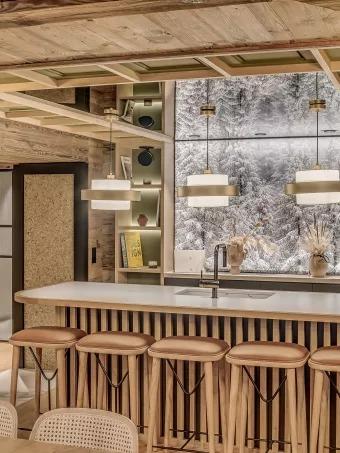
Modern alpine architecture emphasizes openness, natural light, and connection to the surrounding landscape. Large windows, terraces, and open-plan interiors allow residents to experience the mountain environment as part of everyday life rather than as a distant backdrop.
Design choices focus on functionality as well as aesthetics. Circulation flows, storage solutions, and spatial zoning are carefully planned to accommodate both social interaction and privacy. This thoughtful approach enhances long-term comfort and usability.
Comfort and Technology in High-Altitude Environments
Living at altitude presents unique challenges, from temperature extremes to variable weather conditions. Contemporary residences address these challenges through advanced insulation, climate control systems, and energy-efficient construction techniques.
These innovations ensure consistent indoor comfort while reducing environmental impact. Smart home technologies further enhance convenience, allowing residents to manage lighting, heating, and security remotely, even when away from the property.
Wellness as an Integral Element
Wellness has become a defining feature of modern alpine living. Many contemporary developments integrate spa facilities, fitness areas, and relaxation spaces designed to support physical recovery and mental wellbeing.
This focus aligns with the growing importance of wellness in lifestyle decision-making. Residents value the ability to unwind and recharge in private, well-designed environments that complement outdoor activities.
Location Beyond Proximity to Slopes
While access to ski lifts remains important, location is now assessed more holistically. Buyers consider proximity to village centers, dining, transport infrastructure, and year-round amenities. A well-located residence enhances convenience without sacrificing tranquility.
This broader perspective reflects the shift toward alpine living as a multi-dimensional experience rather than a single-purpose retreat.
Conclusion
Contemporary alpine residences elevate the mountain experience by redefining comfort, design, and functionality. By supporting year-round living and modern lifestyles, they transform alpine environments into enduring lifestyle destinations rather than seasonal escapes.